


A growing movement, the zero-waste lifestyle, wants to live in regulation with the surroundings and produce less wastable To bring down wastes and pollution, it shows recycling, avoiding plastic, and utilizing environmentally conscious behavior.
What is a Zero-Waste Lifestyle?
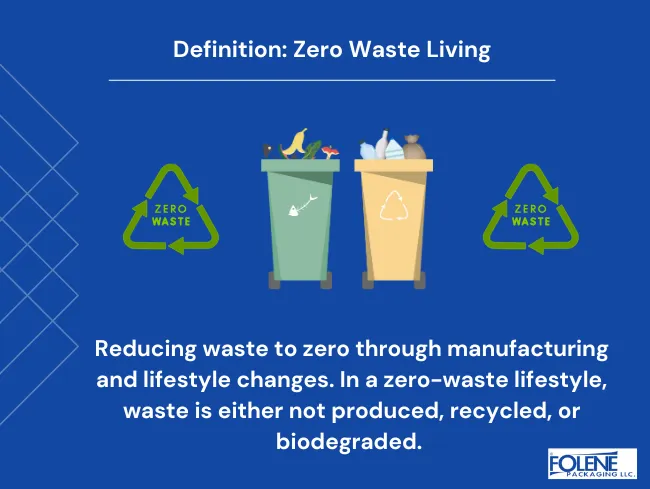
One must use fewer landfills or incinerators and produce less waste if they want to live a zero-waste lifestyle. Resisting ecologically harmful products and using resources more responsibly are these goals. The concept is based on the five R’s: Don’t accept matters you don’t need. Use less of what you do use. Reuse as much as you can. Recycle only as the final option.
Why Is a Zero-Waste Lifestyle Important?
Millions of tons of plastic waste are produced globally each year, much of which ends up in the oceans and threatens wildlife. Living a zero-waste lifestyle is crucial for the following purposes:
- It protects animals from plastic waste and lowers pollution.
- It conserves water, energy, and raw material, among other natural resources.
- It eliminates greenhouse gas emissions, the primary participant in climate change.
- The growing need for sustainable products supports sustainable companies.
How to Start Living a Zero-Waste Lifestyle?
1. Take It Easy
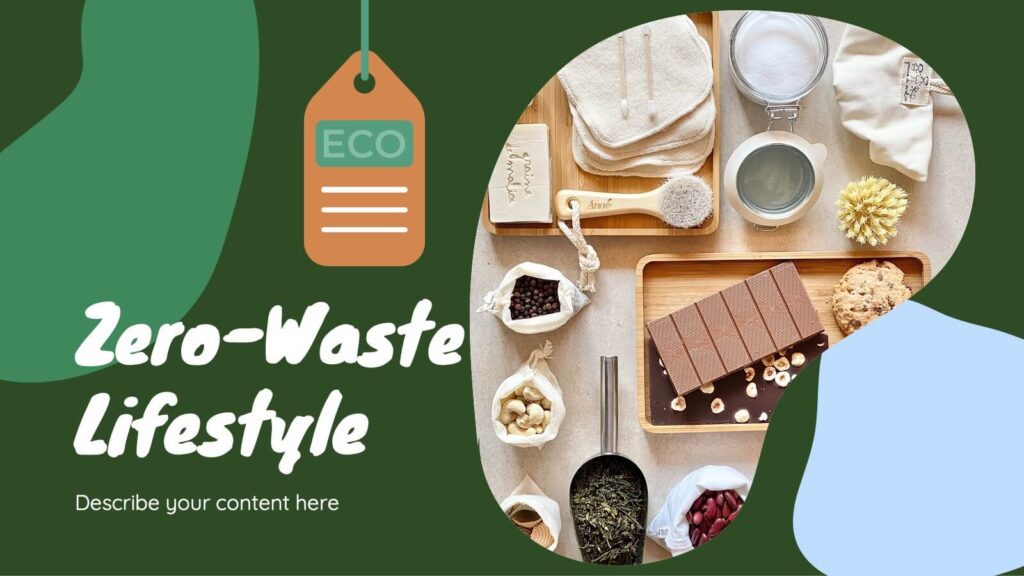
It’s not important to make each modification at once. Start by using plastic bags, bringing your own water bottle, and avoiding disposable plastics.
2. Buy Only What You Need
Don’t buy items that are not needed. When you shop attentively, search for items with barely any packaging.
3. Use Reusable Items
3. Utilize Reusable Products Switch to bamboo cutlery, metal bottles, cloth bags, and glass containers. These items last longer and reduce waste.
Benefits of a Zero-Waste Lifestyle
Environmental Benefits:
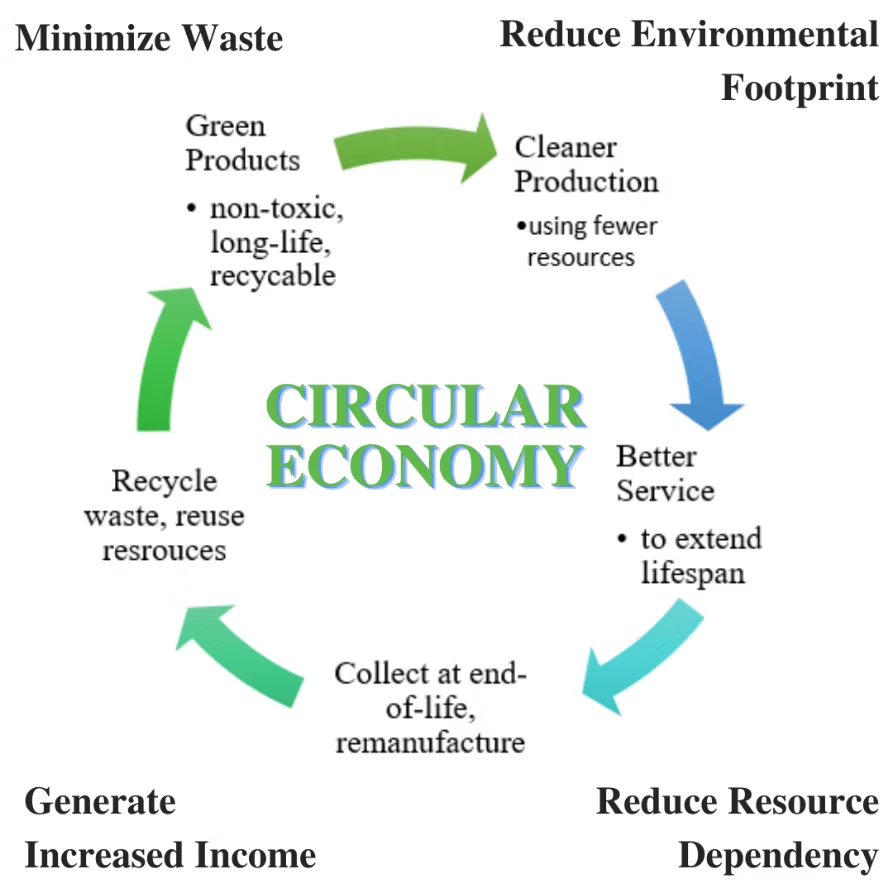
- Advantages for the Environment: less garbage finishing up in landfills and aquariums
- Reduced carbon footprint and pollution. conservation with regard to energy and raw materials.
Economic Benefits:
- Economical advantages Save money by purchasing fewer disposable items.
- Encourages reusing and fixing compared to replacing.
Health Benefits:
- Diminished exposure to harmful substances and plastics.
- Supports the consumption of fresh, unpackaged, and nutritious products.
Challenges in Adopting a Zero-Waste Lifestyle
Challenges in Achieving Zero-Waste Despite the idea’s satisfaction, there are a few challenges:
- The initial cost of eco-friendly products may be higher. Not every location has bulk or zero-waste stores.
- Disposable goods and convenience are inescapable. Yet, these difficulties are possible with diligence and minor changes.
The Future of Zero-Waste Living:
Recycling campaigns and the prohibition of single-use plastics are recent instances of sustainable public and commercial initiatives. It is logical to suppose that the zero-waste movement will continue to develop as more people become more aware of sustainability issues. The world will get much better if everyone takes small actions.
Conclusion:
Making better choices every day, rather than striving for excellence, is an objective of a zero-waste lifestyle. For example, there may be significant effects if you use reusable containers rather than plastic bottles. By advertising happier and healthier lifestyles, we may preserve resources, safeguard the environment, and boost the world for the future. Making slight changes can actually be the first step toward zero waste, and if everyone performs together, we will achieve a cleaner and healthier world.


